AI intake for personal injury law firms
Sanaku answers the calls your firm is currently missing, qualifies them against your own criteria, and files them before morning. For the privileged half of the work, a separate on-site system reads medical records and transcripts without a file ever leaving your office.
The call you miss becomes someone else's case.
A personal injury caller is rarely shopping calmly. They have just been hurt, they are frightened about money, and they are working down a list of firms. The firm that picks up is very often the firm that signs them. This is why intake is not an administrative detail in PI and workers' comp work. It is the top of the entire economics of the practice.
Most callers will not leave a voicemail. They dial the next firm on the results page.
Response speed decides conversion. Minutes matter far more than hours.
Accidents do not keep office hours. Nights and weekends carry the most urgent calls.
Published intake research puts the share of inbound legal leads that never get a callback within a day somewhere between a fifth and a third. Whatever the true number is at your firm, it is not zero, and every one of those was a case you paid to generate.
Intake that answers, qualifies, and writes it down.
It answers, at any hour
Nights, weekends, holidays, and the moments your intake line is already busy. The caller reaches something that responds instead of a voicemail greeting.
It qualifies against your criteria
Date of the incident, mechanism of injury, treatment so far, insurance, whether they have already signed with another firm, and your statute of limitations window. Your rules, not a generic script.
It escalates what deserves a person
A serious case at 11pm can ring an attorney directly. Everything else lands in the morning queue, ordered so the strongest matters get called back first.
It writes into your system
The call summary, contact details, and qualification answers go into your case management software, so nothing depends on someone retyping notes from a message pad.
Once the case is signed, the file problem starts.
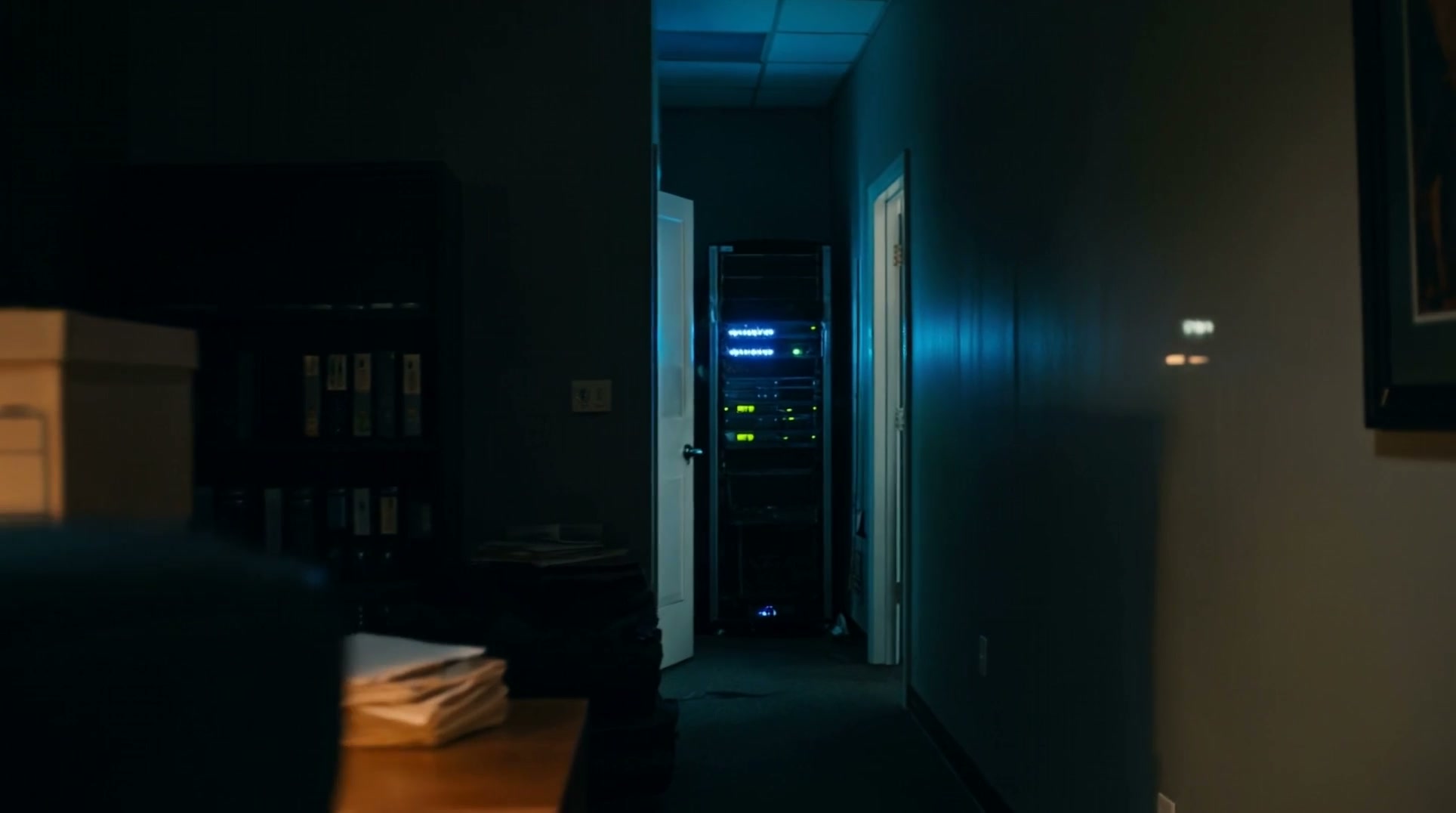
Privileged material should not leave the building to get summarised
It is tempting to paste a medical record set or a deposition transcript into a public AI tool to save a paralegal two days. The moment that happens the file sits on someone else's servers, under someone else's terms, and your duty of confidentiality has left your control.
Sanaku's private AI deployment exists so your team never has to make that trade. Medical chronologies and deposition summaries are produced on a dedicated system inside your office, and the records never leave it.
What firms actually ask.
Intake is not privileged work. The AI is qualifying a caller and taking their details, the same job a receptionist or answering service does today. Privileged material is a separate question, and it is the reason the private AI deployment exists: for anything touching medical records or transcripts, the system runs inside your office and the files never leave it.
Yes. It identifies itself. Pretending otherwise is a bad trade in a profession built on candour, and callers who feel tricked at intake do not become good clients.
It hands off. You set the rules for what warrants a live person, a callback inside a set window, or an immediate escalation to whoever is on call. The point is that nobody hits a voicemail box and hangs up.
No. It covers the hours they are not there and the calls that arrive while they are already on the phone. Firms that use it well end up with intake staff handling better conversations rather than fewer.
Most answering services take a message. That is a different product from qualifying a personal injury caller against your criteria, capturing the facts that decide whether the case is worth taking, and putting it in your system before morning. Compare on what actually lands in your intake queue at 8am.
Call the line yourself before you decide.
On the call we hand you a live number configured with your intake criteria, and you try to break it. Then we show the private document system running with the internet disconnected.